Regulatory Frameworks Guide the Fusion of Responsible Play Tools and Bonus Offerings in Mobile Tournament Settings
Jakob Roth · Oct 21, 2026

Regulatory Frameworks Guide the Fusion of Responsible Play Tools and Bonus Offerings in Mobile Tournament Settings
Regulatory frameworks across multiple jurisdictions establish clear parameters for how operators incorporate player protection mechanisms alongside promotional incentives during mobile tournament events, and these rules vary significantly by region while sharing common goals around transparency and user safeguards. Data from industry analyses indicate that compliance requirements often dictate the timing, presentation, and eligibility criteria for bonuses, ensuring they do not override or obscure tools such as session limits, reality checks, and self-exclusion options.
Operators active in licensed markets must align bonus structures with responsible gaming mandates, which means bonus offers in mobile tournaments frequently include mandatory disclosures about wagering requirements and potential risks. Research from gaming oversight bodies shows that jurisdictions like those governed by the Malta Gaming Authority enforce specific standards where bonus promotions cannot automatically enroll participants without explicit consent, and this approach extends to tournament play where entry incentives connect directly to account settings for spending caps.
Key Regulatory Variations Across Regions
European markets demonstrate one pattern where directives emphasize clear separation between promotional messaging and protection features, whereas North American state-level rules often require operators to tie bonus availability to verified responsible gaming profiles. According to reports from the Nevada Gaming Control Board, mobile platforms operating in that jurisdiction must log user interactions with both bonus claims and limit-setting tools in unified audit trails, and this data collection supports ongoing compliance reviews that occur quarterly.
Canadian provincial systems add another layer through localized licensing that influences how tournaments display combined bonus and protection interfaces, and observers note that these variations lead platforms to customize features for each market rather than applying uniform designs. In October 2026, several operators plan updates to align with evolving provincial expectations around mobile event promotions, particularly as new tournament schedules roll out with integrated incentive packages.
Integration of Protection Tools with Promotional Elements
Bonus structures in mobile tournaments typically activate only after users review and adjust responsible gaming settings, a practice that regulatory bodies encourage to prevent impulsive participation. Studies from organizations such as the European Gaming and Betting Association reveal that platforms employing this sequence report higher retention of users who maintain predefined budgets throughout multi-day events.
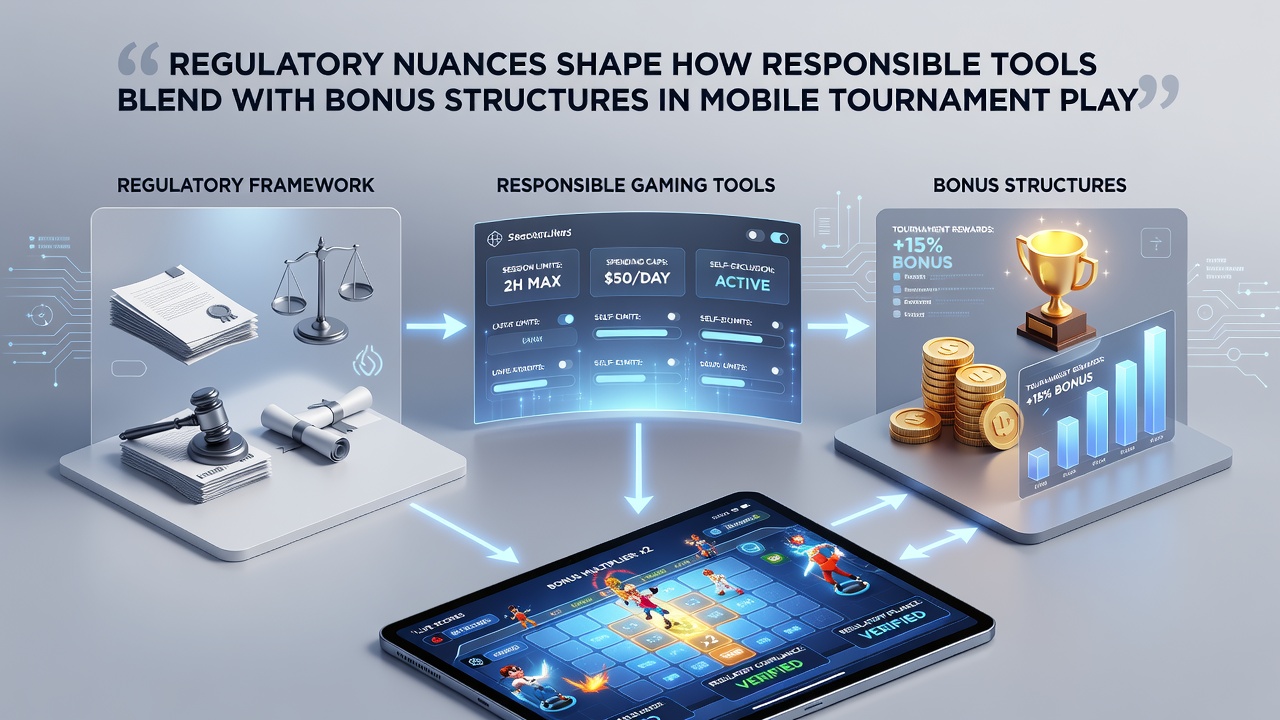
Reality check notifications, which interrupt play at set intervals, must remain accessible even when bonus rewards are active, and this requirement stems from rules that prioritize continuous user awareness over uninterrupted engagement. Those who administer tournament platforms often implement conditional bonuses that scale with demonstrated responsible behavior, such as consistent use of deposit limits, and this method appears in guidelines issued by various gaming authorities to encourage voluntary adherence.
Compliance Challenges and Platform Responses
Platforms face technical demands when merging these elements because mobile interfaces must present bonus details without diminishing visibility of protection toggles, and developers address this through layered menu designs that surface both categories during registration and event entry. Figures from market research indicate that tournaments incorporating such balanced presentations experience fewer regulatory flags during routine audits.
Training programs for support staff emphasize recognition of situations where bonus claims intersect with protection tool usage, ensuring responses follow documented procedures rather than ad-hoc interpretations. In practice, operators document these interactions to demonstrate adherence during licensing renewals, and the process supports broader efforts to maintain market access across multiple territories.
Conclusion
Regulatory nuances continue to shape the precise methods by which responsible tools integrate with bonus structures in mobile tournament environments, and platforms adapt through region-specific configurations that satisfy local mandates while preserving operational consistency. Ongoing developments, including those scheduled around October 2026, will likely refine these interactions further as oversight bodies review emerging data on user engagement patterns.